
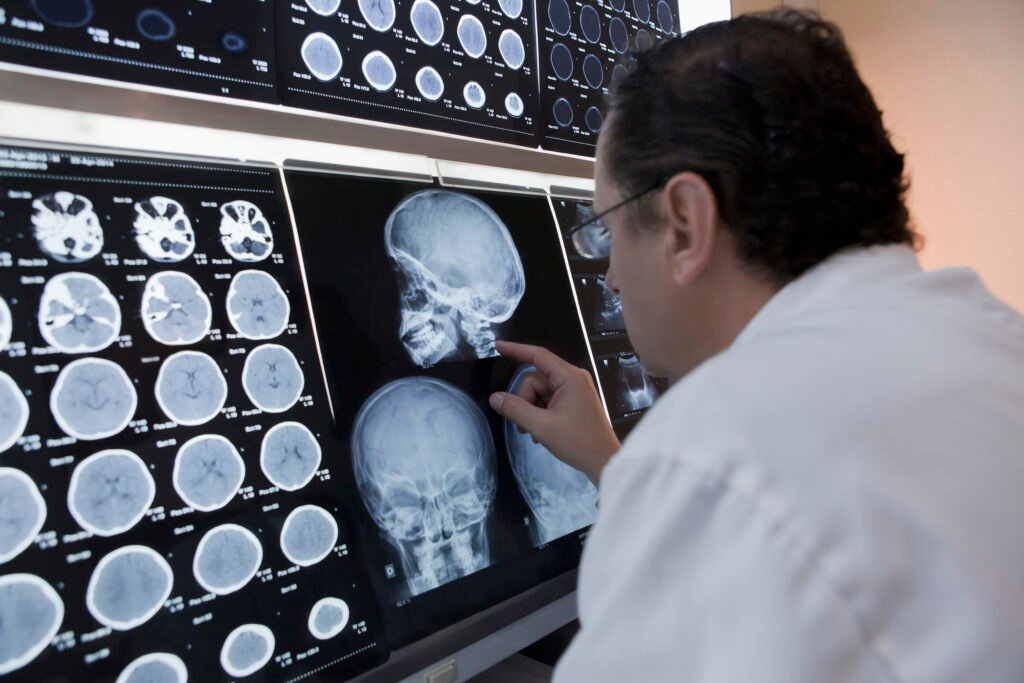

A brain tumor is an abnormal growth of cells in the brain. It can develop in different parts of the brain and may affect various functions such as movement, memory, vision, and speech.
Brain tumors can be benign (non-cancerous) or malignant (cancerous), but even non-cancerous tumors can cause serious health problems if they press on important areas of the brain.
The symptoms of a brain tumor often depend on the tumor’s size, location, and rate of growth. In the early stages, symptoms may be mild or mistaken for other common health issues such as migraines or stress. However, as the tumor grows and begins to affect brain tissue, symptoms may gradually worsen.
Understanding the warning signs of a brain tumor can help individuals seek medical attention early and receive proper diagnosis and treatment.
Persistent or Severe Headaches
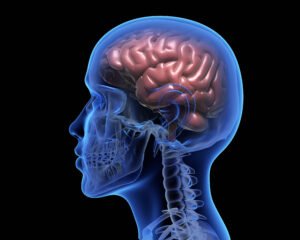
One of the most common symptoms associated with a brain tumor is persistent headaches. While headaches are common and usually not related to serious conditions, certain types of headaches may indicate increased pressure inside the skull.
Brain tumor headaches may feel different from typical headaches. They are often more intense in the morning and may gradually worsen over time. Some individuals notice that the pain becomes stronger when coughing, bending, or performing physical activity.
Unlike occasional headaches, tumor-related headaches tend to become more frequent and may not improve with common pain medications.
Seizures
Seizures are another possible symptom of a brain tumor. A seizure occurs when there is sudden abnormal electrical activity in the brain. In some cases, a seizure may be the first noticeable sign of a tumor.
Seizures related to brain tumors can appear in different forms. Some individuals may experience full-body convulsions, while others may have brief episodes of confusion or unusual movements.
Possible seizure symptoms include:
- Sudden shaking or jerking of the body
- Temporary loss of awareness
- Staring spells
- Muscle stiffness or twitching
- Loss of consciousness in severe cases
Anyone experiencing a seizure for the first time should seek immediate medical evaluation.
Vision Problems
Brain tumors that affect the areas of the brain responsible for vision may cause changes in eyesight. These changes may occur gradually and may initially be mistaken for routine eye problems.
Common vision-related symptoms include:
- Blurred or double vision
- Loss of peripheral vision
- Difficulty focusing on objects
- Sensitivity to light
Some patients may notice difficulty seeing objects on one side or experience sudden visual disturbances.
Nausea and Vomiting
Persistent nausea and unexplained vomiting can sometimes be linked to increased pressure in the brain caused by a tumor. These symptoms may occur even without digestive problems.
Vomiting associated with brain tumors often occurs in the morning and may happen suddenly without warning. When nausea and vomiting occur frequently along with headaches or dizziness, medical evaluation is recommended.
Balance and Coordination Problems
The brain controls body movement and coordination. If a tumor develops in areas responsible for balance, such as the cerebellum, it can affect a person’s ability to walk or maintain stability.
Individuals may experience symptoms such as:
- Difficulty maintaining balance
- Frequent falls
- Trouble walking in a straight line
- Clumsiness or lack of coordination
These symptoms may gradually worsen as the tumor grows and interferes with normal brain function.
Changes in Memory and Thinking
Brain tumors can also affect cognitive functions, including memory, concentration, and decision-making. These changes may occur slowly and may initially appear as simple forgetfulness.
Common cognitive symptoms may include:
- Difficulty remembering recent events
- Trouble concentrating on tasks
- Confusion or difficulty understanding conversations
- Slower thinking or problem-solving abilities
Family members or coworkers may sometimes notice personality or behavior changes before the patient becomes aware of them.
Personality or Behavioral Changes
Some brain tumors affect areas responsible for emotions and personality. When this happens, individuals may experience noticeable changes in behavior or mood.
Possible personality changes include:
- Increased irritability
- Sudden mood swings
- Depression or anxiety
- Reduced motivation
- Unusual or inappropriate behavior
These changes can be confusing for both the individual and their family, and they should not be ignored if they appear suddenly or worsen over time.
Speech Difficulties
Tumors located in areas responsible for language and communication can affect a person’s ability to speak or understand speech. These symptoms may appear gradually.
Speech-related symptoms may include:
- Difficulty finding the right words
- Slurred or unclear speech
- Trouble understanding spoken language
- Difficulty reading or writing
Such symptoms require prompt medical attention because they may also resemble signs of stroke or other neurological conditions.
Weakness or Numbness in the Body
A brain tumor can interfere with nerve signals that control muscle movement and sensation. As a result, individuals may experience weakness or numbness in certain parts of the body.
Common symptoms include:
- Weakness in one arm or leg
- Numbness or tingling sensations
- Difficulty gripping objects
- Reduced coordination on one side of the body
These symptoms often affect one side of the body because each side of the brain controls the opposite side of the body.
Hearing Problems
If a tumor develops near the nerves responsible for hearing, it may cause hearing difficulties or unusual sounds in the ears.
Symptoms may include:
- Hearing loss in one ear
- Ringing in the ears (tinnitus)
- Difficulty understanding speech
- Dizziness or balance problems
Hearing-related symptoms may appear gradually and worsen over time.
Fatigue and Sleep Disturbances
Many individuals with brain tumors experience persistent fatigue. This fatigue is different from normal tiredness and may not improve with rest.
Changes in sleep patterns may also occur. Some people may feel excessively sleepy during the day, while others may struggle with insomnia or disrupted sleep cycles.
Fatigue can result from increased pressure in the brain, hormonal changes, or the body’s response to the tumor.
Symptoms in Children
Brain tumor symptoms in children can sometimes differ from those in adults. Younger children may have difficulty explaining their symptoms, so parents should watch for warning signs such as:
- Persistent headaches
- Frequent vomiting
- Vision problems
- Difficulty walking or maintaining balance
- Unusual irritability or personality changes
Early diagnosis is particularly important in children because brain tumors can affect development and neurological function.
When to See a Neurosurgeon
Not every headache or neurological symptom indicates a brain tumor. However, certain warning signs should never be ignored.
Medical evaluation is recommended if a person experiences:
- Persistent headaches that worsen over time
- Frequent nausea or vomiting without a clear cause
- Seizures or convulsions
- Sudden vision or hearing problems
- Difficulty speaking or understanding language
- Weakness or numbness in the arms or legs
- Personality or behavior changes
Early diagnosis allows doctors to identify the cause of symptoms and begin appropriate treatment.
Expert Neurosurgical Care in Lucknow
If you are experiencing persistent neurological symptoms or need expert evaluation for brain or spine conditions, timely consultation with a neurosurgeon can make a significant difference in diagnosis and treatment.
For appointments or consultations, call 0731 852 4184 to receive specialized neurosurgical care from an experienced expert in Lucknow.


